

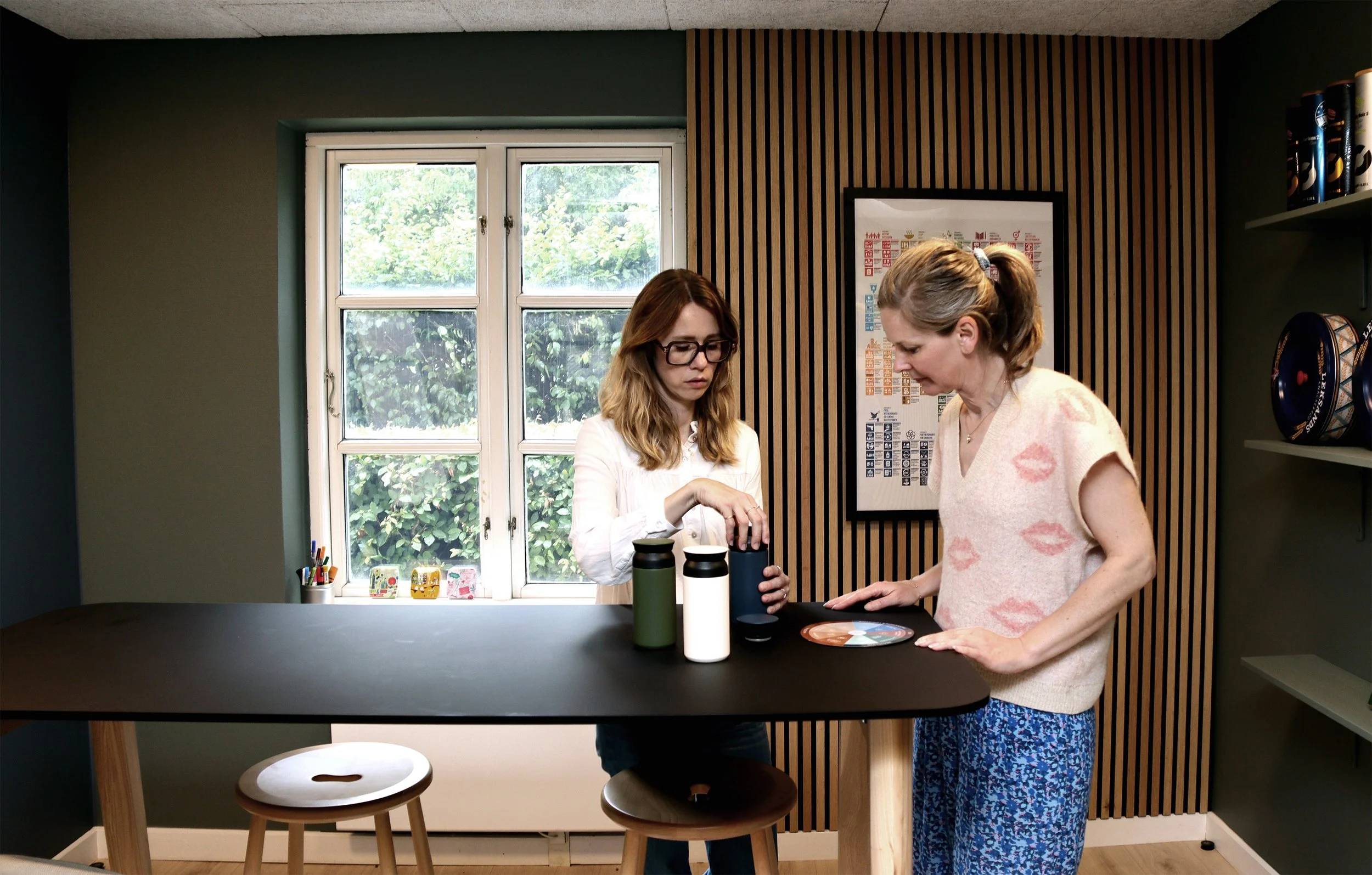

We develop responsible solutions by focusing on product safety, quality control, and circular innovation.
"We take responsibility for product safety and strive to create circular innovation, minimise our use of resources, and develop designs with a long lifespan."
— Majbritt Møller Bengtsen, CEO – Companized
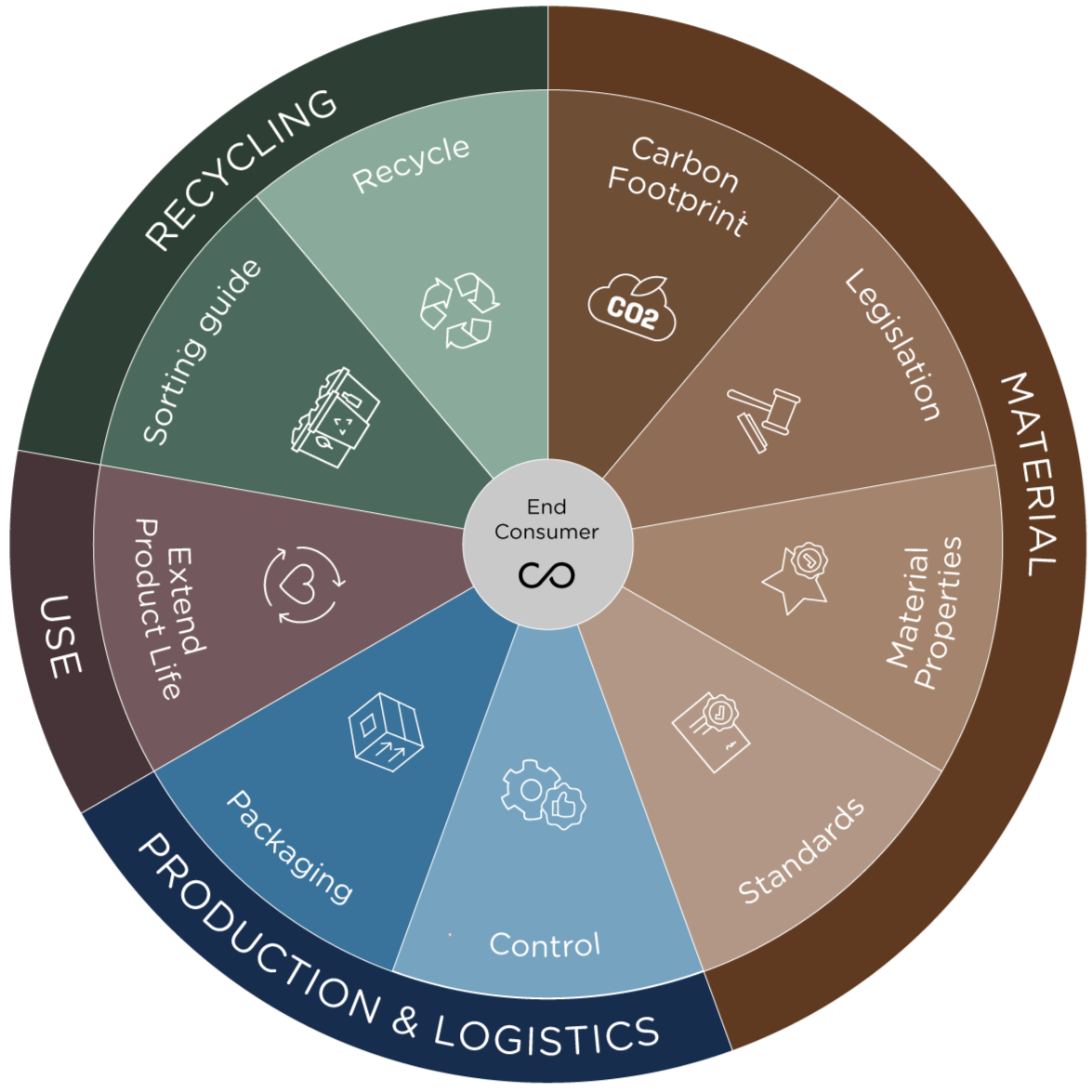
Design guide developed by Companized
Circular innovation is the core of our operation
When we talk about responsible products, it’s about more than just the final product. It’s about the product’s entire life cycle and the choices made during the development process.
Therefore, we have developed a design guide that we use in close collaboration with our customers to ensure a holistic approach to product development. The guide includes a choice of materials, certifications, production methods, logistics, usage, and circularity. It also emphasises how our customers – by making simple choices – can reduce both the environmental and social impact. This strategic tool strengthens collaboration and is also essential when providing advice on responsible solutions.
Our circular cases
-
![Choose FSC® certification]()
Choose FSC® certification
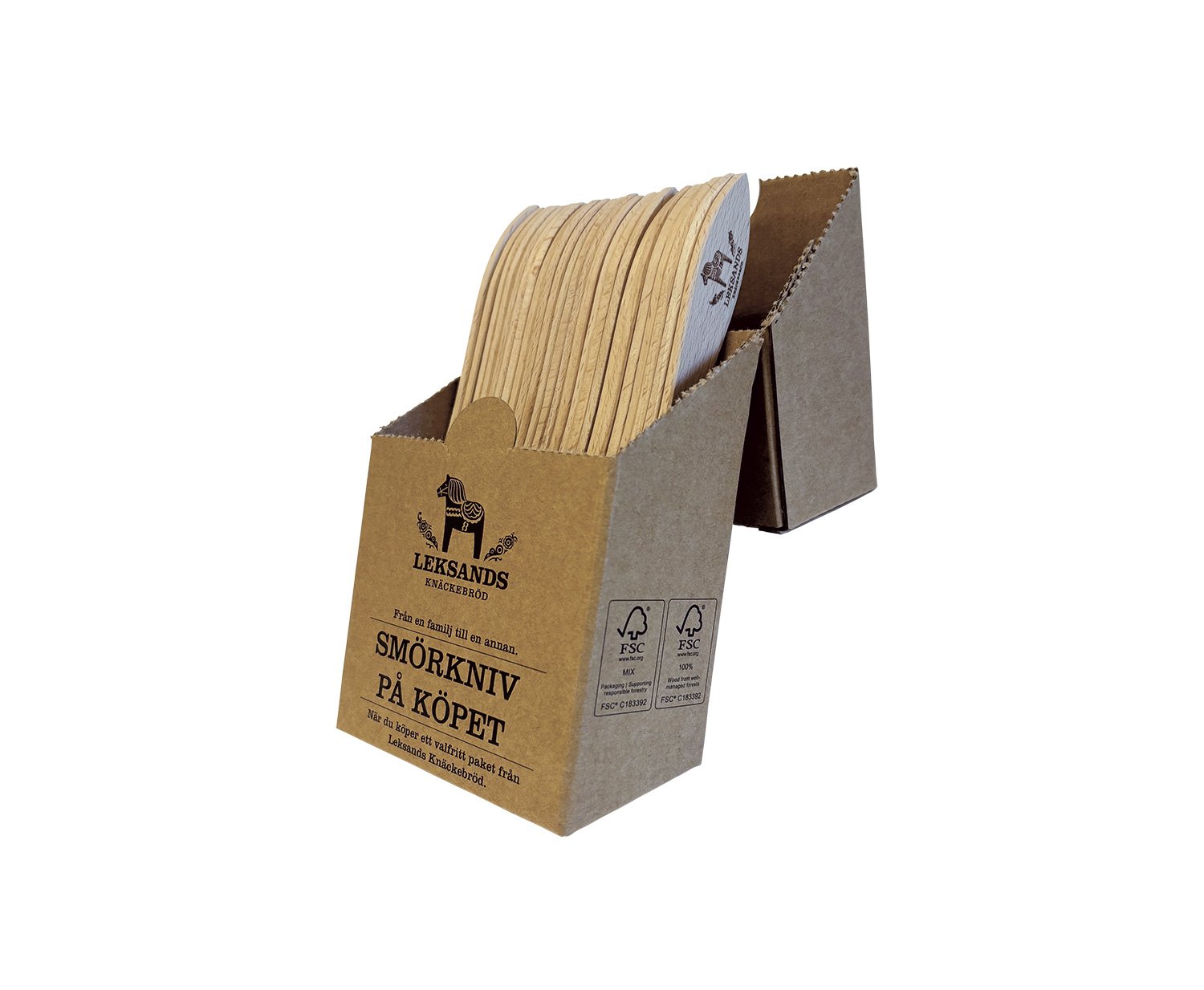
It is important that the materials used come from responsible sources. This is why Leksands Knäckebrots’ butter knife and box have been replaced with FSC®-certified wood and cardboard, which guarantees that the product is made from materials sourced from FSC®-certified forests and/or other responsible sources.
-
![]()
Replacing fossil-based plastic
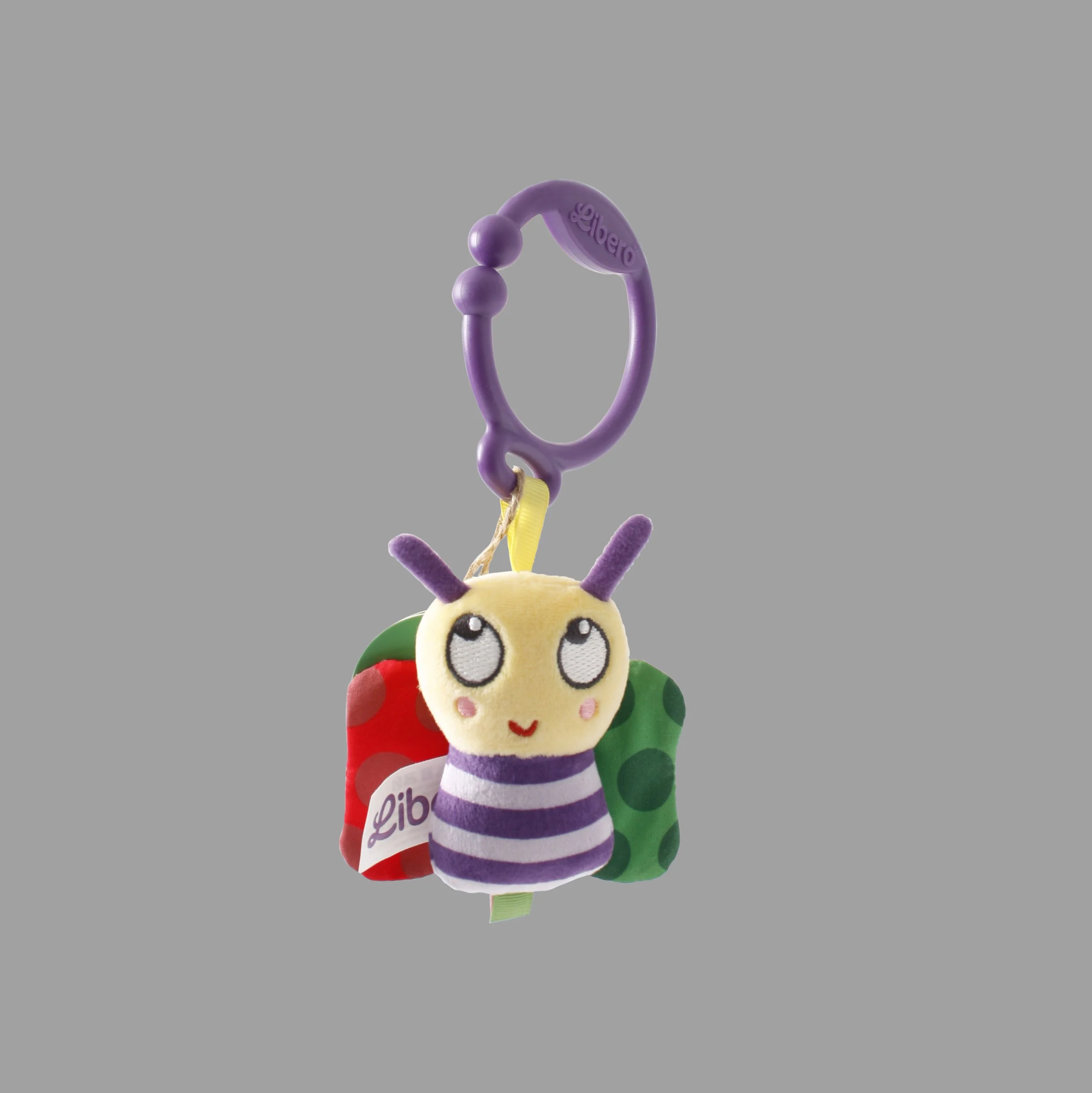
The aim was to reduce the fossil-based materials used in the Libero Butterfly. The plastic ring has therefore been replaced with a ring made from certified bioplastics material, which is extracted from sugar cane.
-
![A farewell to plastic bags]()
A farewell to plastic bags
Products must be optimally packed for shipment, so that they don’t get damaged during transport. In our experience, the transport boxes are more than capable of ensuring that quality. Therefore, as a general rule, we no longer use plastic bags or additional packaging materials when packing goods.
-
![Reusing transport packaging]()
Reusing transport packaging
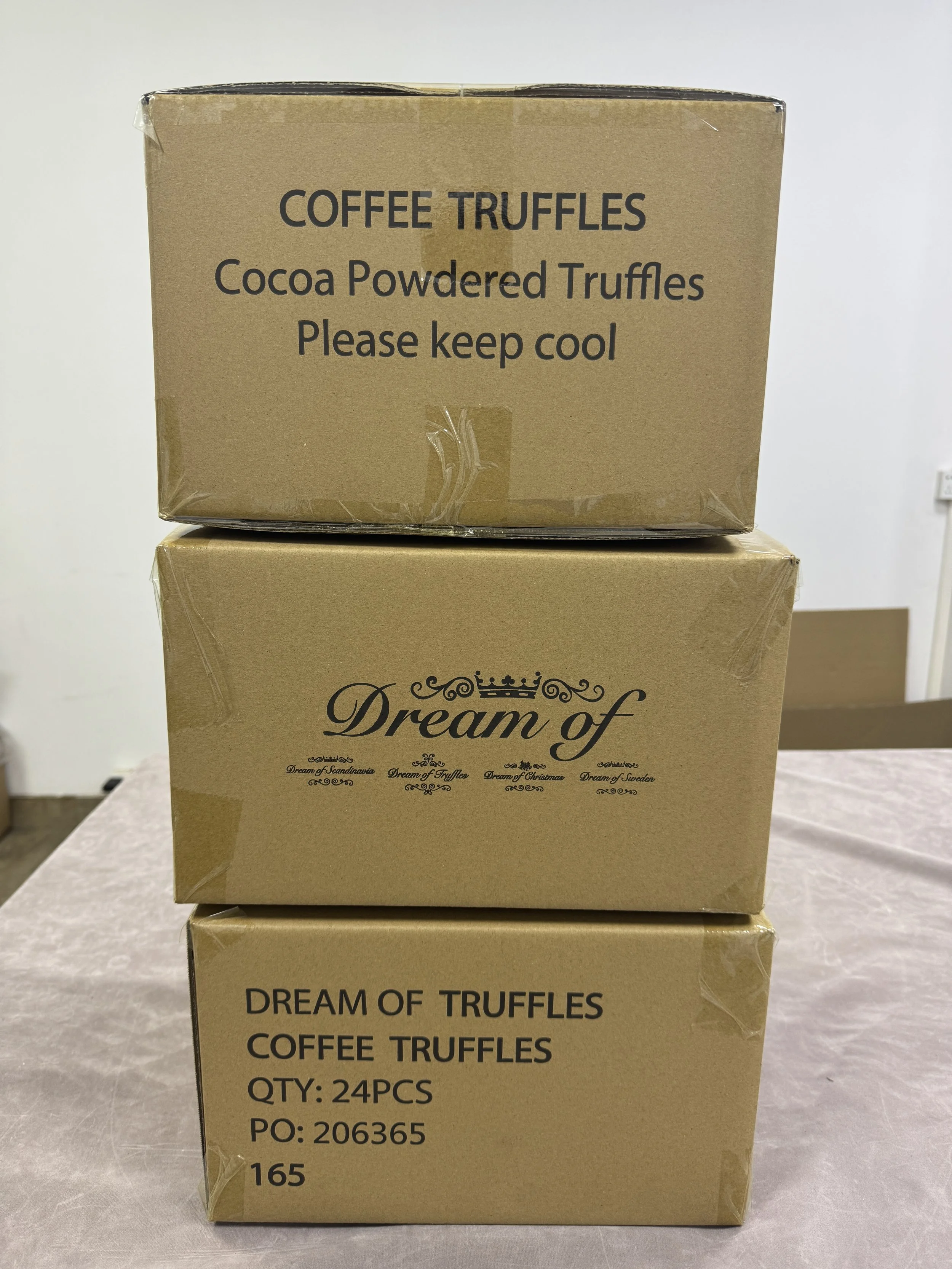
According to the needs of Dream of Sweden, we have changed the quality, size, and branding of their transport packaging. Previously, the packaging used for transportation was disposed of and replaced by new packaging when refilling the confectionery. Now, the packaging meets all demands and is reused in every aspect of its journey to the store shelf.
-
![Designed for circularity]()
Designed for circularity
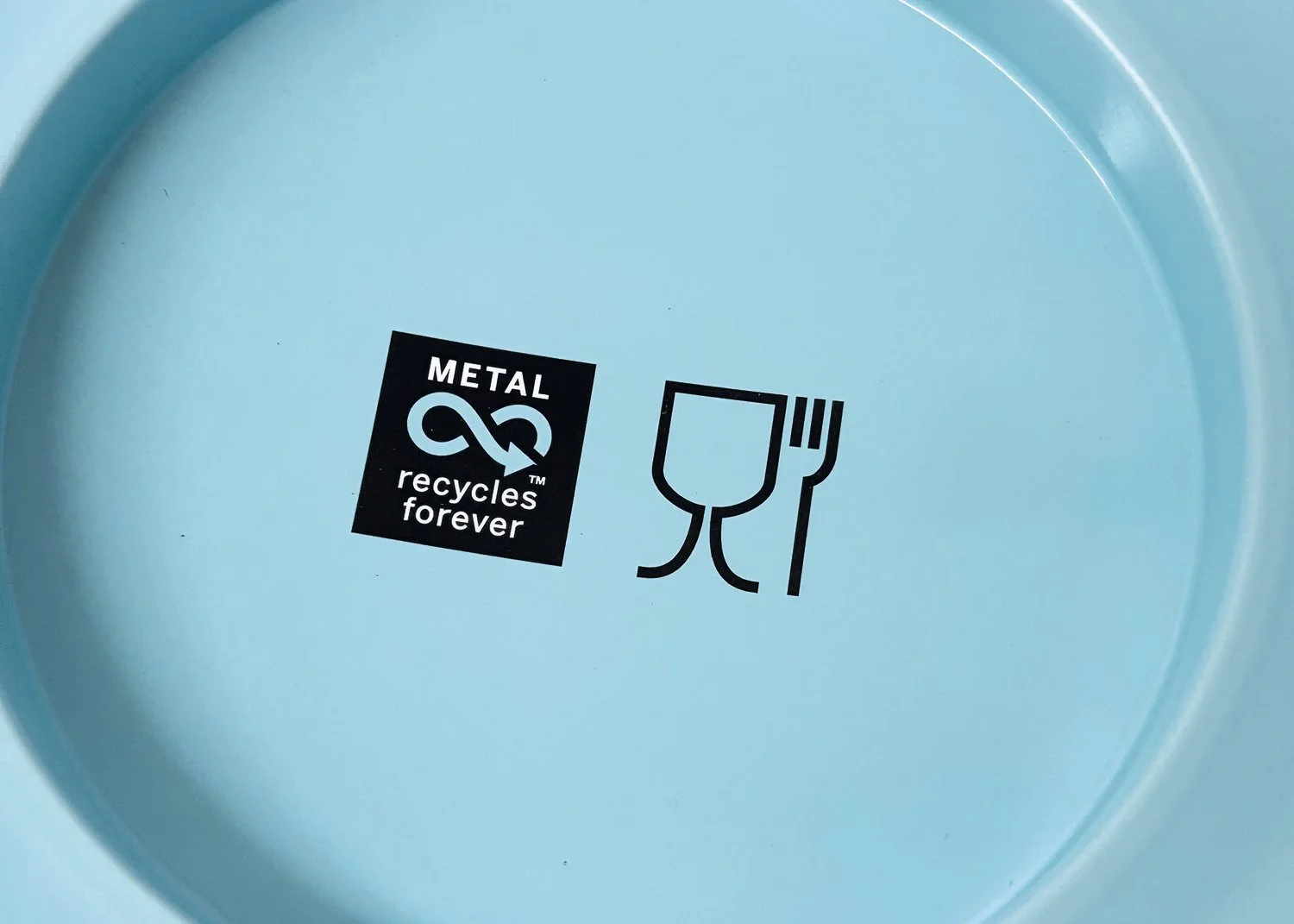
The Metal recycles foreverTM mark helps the consumer better understand that they play an essential role when it comes to keeping metal in the material circulation. This is achieved by sorting the product correctly when it has served its purpose.
-
![Polyester stuffing from recycled plastic waste]()
Polyester stuffing from recycled plastic waste
The polyester stuffing in the Libero Ladybug was initially made from extracted crude oil, but has been replaced with a GRS-certified stuffing made from consumer plastic waste.
-
![Optimized packing]()
Optimized packing
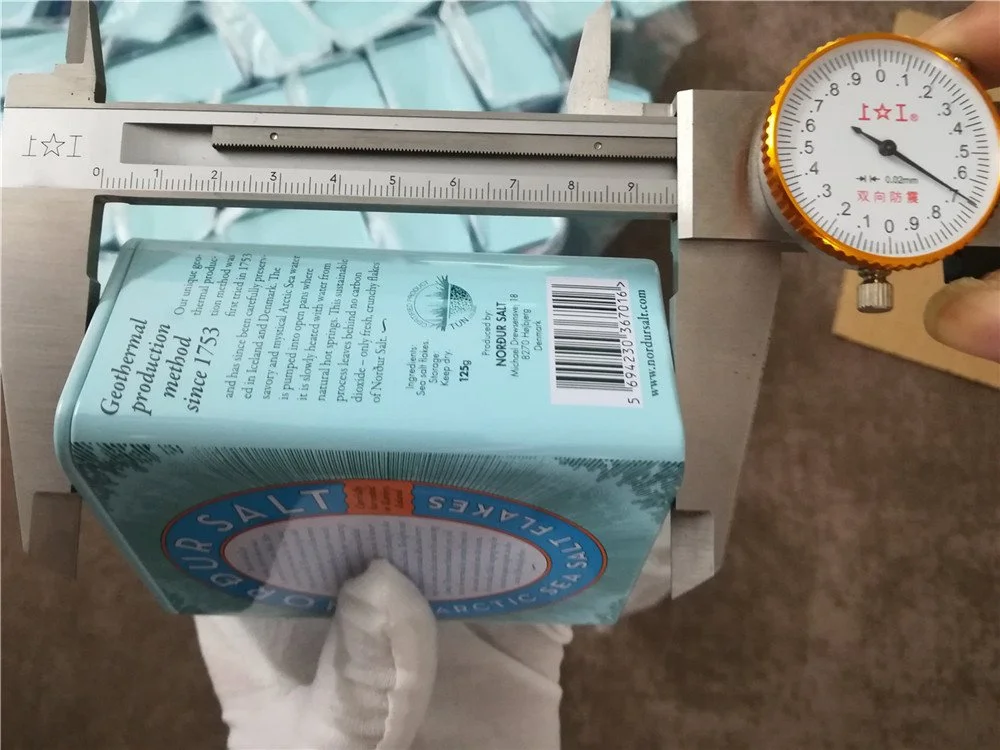
We have changed the way the tins and lids from Nordur Salt are packed for transport. Now, the customer saves both time and resources on stock management.
-
![Reducing the raw material]()
Reducing the raw material
Without changing the design, we have reduced the thickness and thereby the weight of the raw material, which then reduces the taxes for CBAM and the Extended Producer Responsibility.
-
![GRS: Global Recycled Standard]()
GRS: Global Recycled Standard
The primary polyester material used for Libero’s welcome bag was previously made from extracted crude oil. Today, it has been replaced with a GRS-certified polyester from recycled consumer goods.





Product Safety
We take product safety very seriously. We are obligated to deliver products that comply with all regulatory requirements. Through a combination of thorough risk assessment, comprehensive testing, and detailed documentation, we ensure that all our products are safe, reliable, and durable.
We work closely with experts and test labs to conduct the necessary risk assessments and tests, ensuring that our products meet the safety requirements both nationally and internationally.
Quality control
We put product safety and quality at a high priority. We prioritise product safety and quality, requiring our suppliers to obtain relevant certifications and maintain high standards.
By working directly with the manufacturers, we have complete control of the entire process – from sample development to production and testing.
We use a recognised quality standard and check the quality before the products leave the factory. This is either accomplished by our presence at the factory or by utilising a third-party controller.

Certified materials and products
We prioritise certifications that ensure the production takes place with consideration for the environment, human rights, as well as product quality and safety. Our aim is to motivate more of our customers to choose certified materials and products whenever possible. This also entails actively guiding our customers in making responsible choices.
We offer materials with the following certifications:
-
The Forest Stewardship Council® (FSC®) is the world’s most ambitious global certification for responsible forestry and your guarantee for wood and paper from well-operated forests and other responsible sources. FSC® works to improve conditions for both nature and people in the world’s woodlands.
-
OEKO-TEX® STANDARD 100 is a label for textiles tested for harmful substances. It sets the benchmark for textile safety, from yarn to finished product. Every item bearing the STANDARD 100 label is certified as having passed safety tests for the presence of harmful substances.
https://www.oeko-tex.com/en/our-standards/oeko-tex-standard-100
-
OEKO-TEX® STeP certification sets the highest standards for both social and environmental aspects of textile and leather production, as well as for industrial laundries. This certification is a sign of responsibility towards employees and the environment, and supports a company’s journey towards more sustainable production.
-
Textiles and leather items carrying the OEKO-TEX® MADE IN GREEN label are produced more sustainably in socially responsible workplaces. Customers purchase them with confidence that they are traceable and tested for harmful substances. This label supports both better working conditions and a healthier planet.
https://www.oeko-tex.com/en/our-standards/oeko-tex-made-in-green
-
The Global Recycled Standard (GRS) sets the criteria for the third-party certification of recycled materials and chain of custody. The GRS includes the minimum recycled content percentage (50%) and additional social and environmental requirements related to processing and chemical use.
https://textileexchange.org/recycled-claim-global-recycled-standard/
-
Organic Content Standard (OCS) is a voluntary global standard that sets the criteria for third-party certification of organic materials and chain of custody.
-
The Global Organic Textile Standard (GOTS) is the leading standard for organic textile processing, encompassing environmental requirements supported by third-party certification of all stages of textile processing. GOTS-certified end products can include fibre products, yarns, fabrics, clothing, home textiles, mattresses, personal hygiene products, as well as food contact and more.
Guidance and sparring on responsibility and ESG
Do you want to change the way your company works? Do you want to put ESG and responsibility on the agenda to make a difference both internally and externally? Contact Louise Holm for inspiration and concrete ideas on getting started.


A.C. Perch's Thehandel
TOMS
Leksands Knäckebröd AB
Marimekko
Tivoli
Mary Fonden
Anthon Berg
DAVA Foods
Dream of Sweden
Elmelund
EUROMA
Halva Oy
Kid Interior & Hemtex
Lavazza kaffe
Libero
Libresse
Maileg
Malmö Chokladfabrik
Nana
Nordur salt
Nøgne Ø
Omnom Chocolate
Paulig
Purez
Rynkeby
Svaneke Chokoladeri
Sverres Sætre
Tork
Zelected Foods
ØNSK
Åmli
Salling Group
Purex
A.C. Perch's Thehandel TOMS Leksands Knäckebröd AB Marimekko Tivoli Mary Fonden Anthon Berg DAVA Foods Dream of Sweden Elmelund EUROMA Halva Oy Kid Interior & Hemtex Lavazza kaffe Libero Libresse Maileg Malmö Chokladfabrik Nana Nordur salt Nøgne Ø Omnom Chocolate Paulig Purez Rynkeby Svaneke Chokoladeri Sverres Sætre Tork Zelected Foods ØNSK Åmli Salling Group Purex